
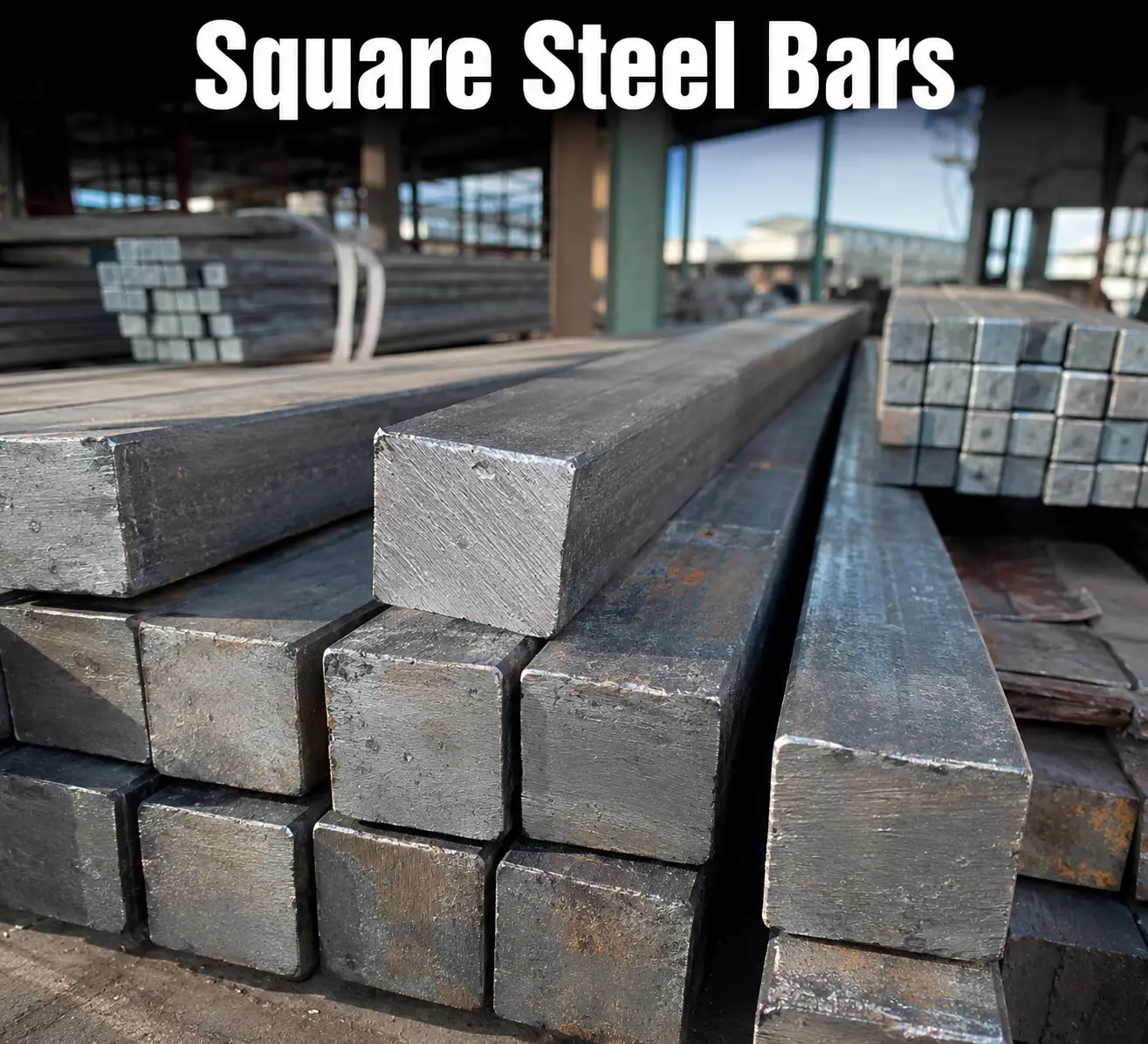
Steel is everywhere, from the buildings we live and work in to bridges, machinery, vehicles, and countless everyday products. But not all steel is created equal. Different compositions give steel different levels of strength, durability, corrosion resistance, hardness, and versatility.
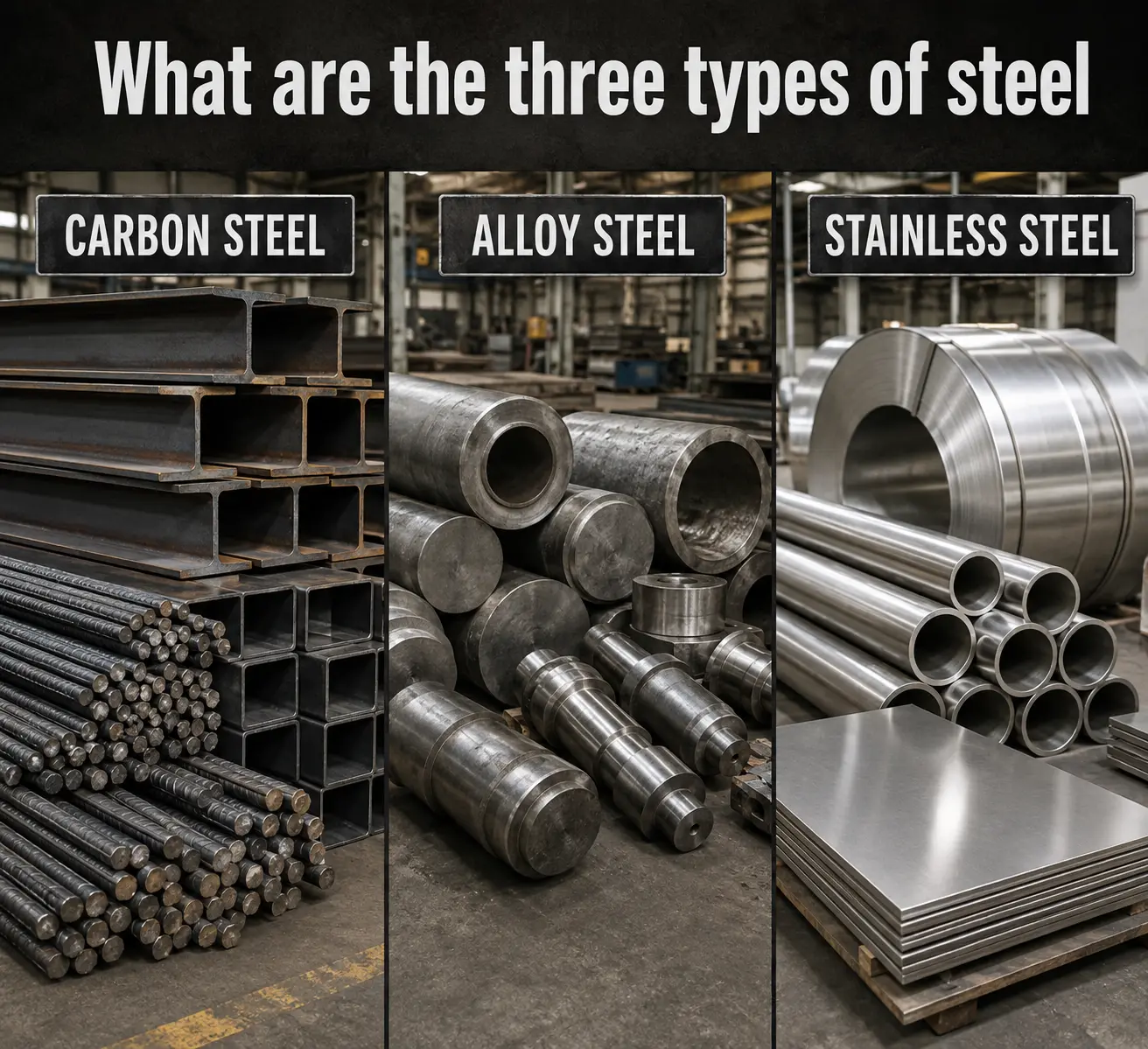
So, what are the three types of steel? The three main categories are carbon steel, alloy steel, and stainless steel. Each type has unique properties and is suited to different applications, from construction and manufacturing to industrial equipment and everyday products.
In this article, we’ll explore the three types of steel, explain what makes each one different, look at their common uses and advantages, and clarify the important difference between steel types and steel grades.
If you’re choosing steel for a construction or industrial project, understanding these differences can help you select a material that delivers the right balance of strength, durability, performance, and value. Learn more about Kohsar Steel Industries and its range of steel products.
What Are the Three Main Types of Steel?
The three main types of steel are carbon steel, alloy steel, and stainless steel. Although they are all made primarily from iron and carbon, their chemical composition and the addition of other elements give them different characteristics.
Here is a quick overview:
- Carbon steel: Primarily defined by its carbon content and widely used for construction, machinery, and general fabrication.
- Alloy steel: Contains additional elements such as chromium, nickel, manganese, or molybdenum to improve specific properties.
- Stainless steel: Contains chromium that provides enhanced resistance to corrosion and oxidation.
The right type of steel depends on what the material needs to withstand. Factors such as strength, corrosion resistance, hardness, toughness, cost, fabrication requirements, and the intended application all play a role in selecting the appropriate steel.
1. Carbon Steel
Carbon steel is one of the most widely used categories of steel. As its name suggests, carbon is an important alloying element, and changes in carbon content can significantly affect the material’s hardness, strength, ductility, and weldability.
Carbon steel is particularly popular because it offers a practical combination of strength, versatility, availability, and cost-effectiveness. This makes it suitable for a wide range of applications, from construction and structural components to machinery and general manufacturing.
Low-Carbon Steel
Low-carbon steel, often called mild steel, contains a relatively low amount of carbon. It is generally easier to form, machine, and weld than higher-carbon steels.
Because of its good ductility and ease of fabrication, low-carbon steel is commonly used for:
- Sheets and plates
- Structural components
- Pipes and tubes
- Automotive components
- General fabrication
- Construction applications
Its relatively easy fabrication makes it a practical choice when extreme hardness is not the primary requirement.
Medium-Carbon Steel
Medium-carbon steel contains more carbon than low-carbon steel, giving it increased strength and hardness. However, this can come with reduced ductility and weldability compared with lower-carbon grades.
It can be used for components that require a stronger material, including certain:
- Machine components
- Shafts
- Gears
- Automotive parts
- Structural applications
High-Carbon Steel
High-carbon steel contains a higher proportion of carbon and is generally harder and stronger than low- and medium-carbon steels. However, increased hardness can reduce ductility and make fabrication more challenging.
High-carbon steel is often selected for applications where hardness and wear resistance are important, such as certain tools, cutting components, springs, and high-wear parts.
2. Alloy Steel
Alloy steel is steel that contains additional alloying elements beyond carbon and iron to achieve specific properties. Depending on the desired performance, elements such as chromium, nickel, manganese, molybdenum, vanadium, or silicon may be incorporated into the steel.
The purpose of adding these elements is to modify characteristics such as:
- Strength
- Hardness
- Toughness
- Wear resistance
- Heat resistance
- Hardenability
- Corrosion resistance
Unlike basic carbon steel, alloy steel can be engineered to provide particular performance characteristics for demanding applications.
Common Uses of Alloy Steel
Because its properties can be tailored to specific requirements, alloy steel is used in many industrial and engineering applications, including:
- Automotive components
- Heavy machinery
- Industrial equipment
- Gears and shafts
- Pressure vessels
- Power-generation equipment
- High-stress mechanical components
For example, an engineering application that requires greater toughness or wear resistance may benefit from a suitable alloy steel rather than a basic carbon steel.
However, alloy steel is not automatically better than carbon steel. The appropriate material depends on the requirements of the application.
3. Stainless Steel
Stainless steel is another major category of steel and is particularly recognized for its resistance to corrosion. Its defining characteristic is the presence of sufficient chromium, which helps form a thin protective oxide layer on the steel’s surface.
This protective layer is what gives stainless steel its well-known resistance to rust and corrosion under many conditions.
Depending on its specific grade and composition, stainless steel can also provide:
- Excellent corrosion resistance
- Good durability
- Attractive appearance
- High-temperature performance
- Ease of cleaning
- Good strength
- Resistance to staining
These characteristics make stainless steel particularly valuable in environments where appearance, hygiene, durability, or corrosion resistance is important.
Common Uses of Stainless Steel
Stainless steel is widely used in:
- Kitchen equipment
- Food-processing equipment
- Medical equipment
- Architectural applications
- Chemical-processing equipment
- Industrial machinery
- Storage and processing systems
However, stainless steel is available in many different grades, and their performance can vary considerably. Therefore, selecting the right grade for the environment and application is essential.
Carbon Steel vs Alloy Steel vs Stainless Steel
Although carbon steel, alloy steel, and stainless steel all belong to the broader family of steels, they differ in composition, properties, and typical applications.
| Feature | Carbon Steel | Alloy Steel | Stainless Steel |
| Main characteristic | Carbon content is a key factor | Contains additional alloying elements | Contains chromium for enhanced corrosion resistance |
| Strength | Varies with composition and grade | Can be engineered for high strength | Varies depending on grade |
| Corrosion resistance | Generally lower | Depends on composition | Generally high |
| Common applications | Construction, machinery, fabrication | Automotive, machinery, industrial equipment | Food, medical, architectural, and industrial applications |
| Cost | Often economical | Varies by composition | Often higher than basic carbon steel |
There is no single type that is universally the best. The best steel depends on the job it needs to perform. A construction project may prioritize strength and cost-effectiveness, while food-processing equipment may place much greater importance on corrosion resistance and hygiene.
What Is the Most Common Type of Steel?
Carbon steel is one of the most widely used categories of steel because of its versatility, availability, strength, and relatively economical cost.
Its broad range of applications makes it particularly important in construction, infrastructure, manufacturing, transportation, and general engineering. By adjusting carbon content and selecting the appropriate grade and processing method, manufacturers can produce steel with properties suited to different requirements.
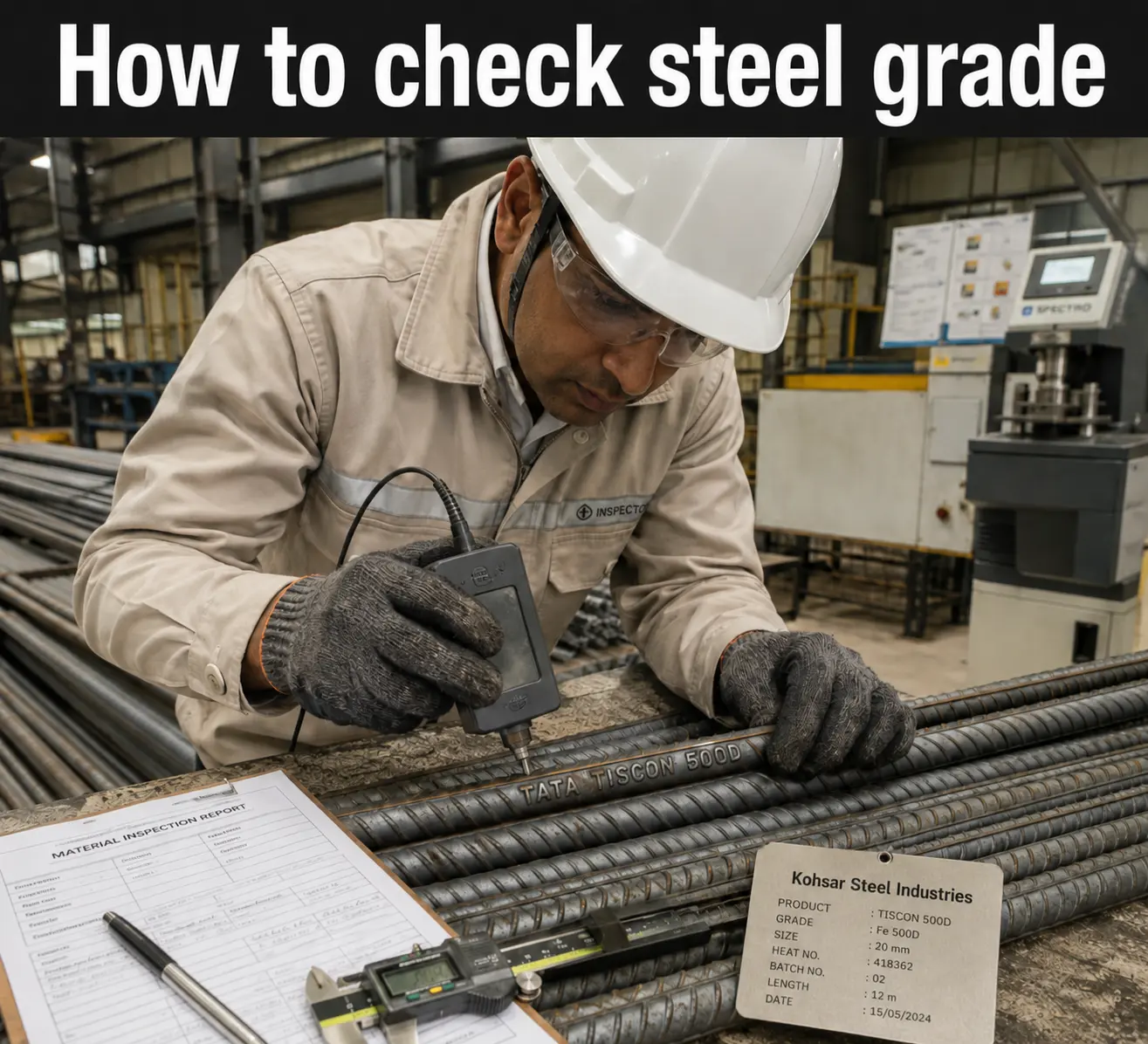
For construction projects, however, simply knowing that a product is “carbon steel” is not enough. Engineers and buyers also need to consider its specific grade, mechanical properties, dimensions, applicable standards, and intended use.
This is where the distinction between steel types and steel grades becomes especially important.
Which Type of Steel Is Best for Construction?
When it comes to construction, there is no single type of steel that is automatically the best for every project. The right choice depends on the structural design, required strength, environmental conditions, applicable standards, fabrication requirements, and intended use.
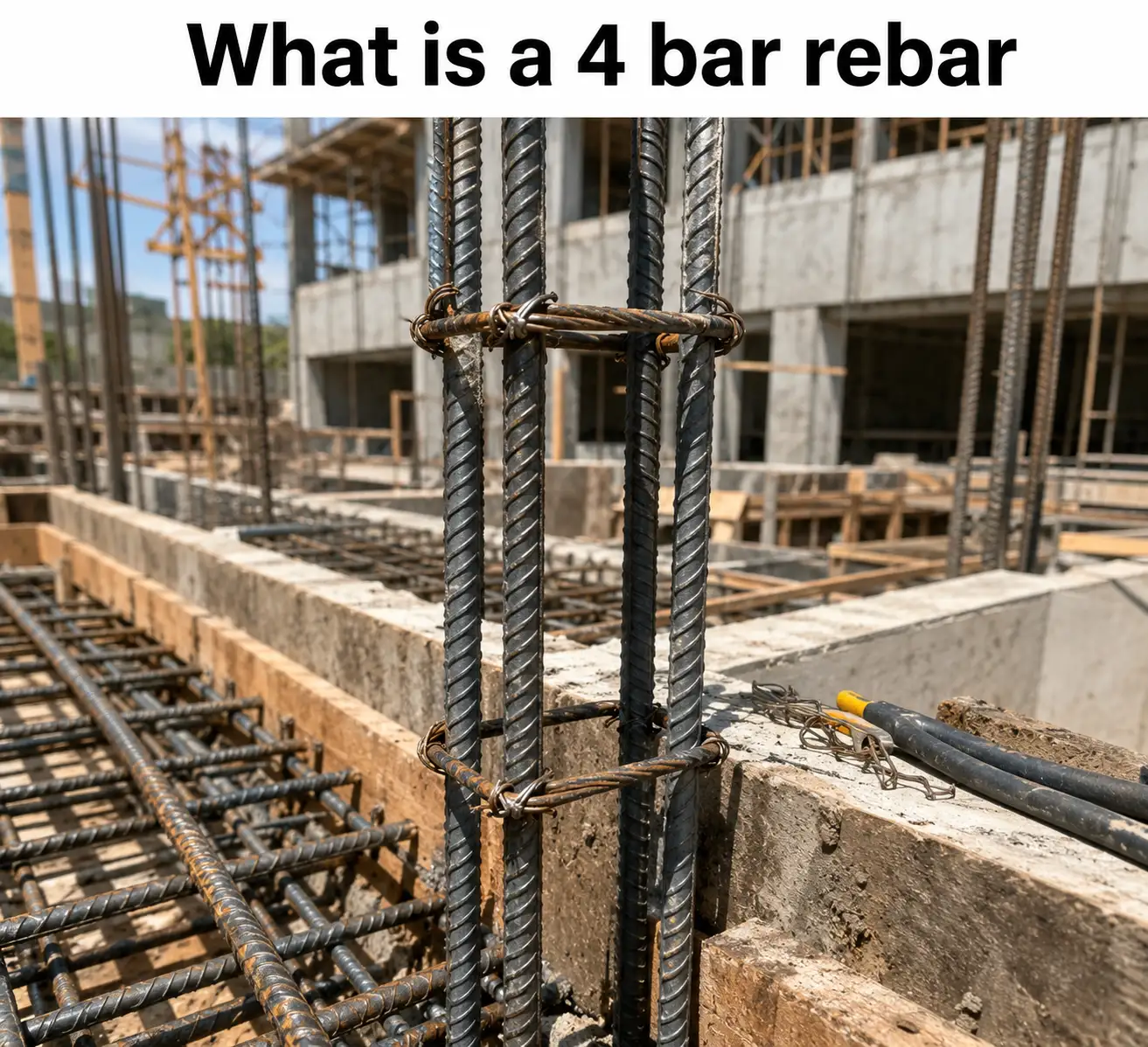
For reinforced concrete structures, reinforcement steel plays a critical role because it helps concrete withstand tensile forces and improves the overall structural performance of reinforced concrete members. Factors such as yield strength, tensile strength, ductility, dimensions, and compliance with relevant standards should therefore be considered when selecting reinforcement steel.
For construction companies, contractors, and engineers, choosing steel from a reliable manufacturer is equally important. Consistent chemical composition, mechanical performance, dimensional accuracy, and quality testing can all contribute to dependable results on the job site.
You can explore Kohsar Steel Industries’ steel products to learn more about reinforcement and steel products available for construction applications.
Common Uses of the Three Types of Steel
Each type of steel offers a different combination of properties, which makes it suitable for particular applications.
Carbon Steel Uses
Carbon steel is commonly used in:
- Construction and infrastructure
- Structural components
- Pipes and tubes
- Machinery
- Automotive components
- General fabrication
- Tools and equipment
Its versatility and cost-effectiveness make it a popular choice for applications where extreme corrosion resistance is not the primary requirement.
Alloy Steel Uses
Alloy steel is commonly selected for applications requiring specific mechanical properties, including:
- Heavy machinery
- Automotive components
- Industrial equipment
- Gears and shafts
- High-stress components
- Power-generation equipment
Its composition can be adjusted to provide properties such as increased strength, toughness, hardness, or wear resistance.
Stainless Steel Uses
Stainless steel is especially useful where corrosion resistance, hygiene, appearance, or durability is important.
Common applications include:
- Food-processing equipment
- Kitchen appliances and equipment
- Medical equipment
- Architectural features
- Chemical-processing equipment
- Industrial machinery
- Storage systems
The specific stainless steel grade should always be selected according to the environment and performance requirements.
Which Type of Steel Should You Choose?
The answer depends on your project’s specific requirements.
Choose carbon steel when you need a versatile and economical material for general construction, fabrication, machinery, or structural applications.
Choose alloy steel when the application requires enhanced or specialized mechanical properties such as greater strength, hardness, toughness, or wear resistance.
Choose stainless steel when corrosion resistance, hygiene, appearance, or long-term durability in demanding environments are a major priority.
For construction applications, however, don’t choose steel based solely on its broad category. Always consider the specific grade, required mechanical properties, dimensions, applicable standards, and project specifications.
Final Thoughts
The three main types of steel, carbon steel, alloy steel, and stainless steel—serve different purposes and offer different combinations of strength, durability, corrosion resistance, and performance.
Carbon steel is widely used for general-purpose applications, alloy steel can be engineered for specialized mechanical properties, and stainless steel is valued particularly for its resistance to corrosion and staining.
Ultimately, choosing the right steel means looking beyond the name of the material and considering the requirements of the project. Working with an experienced steel manufacturer can help you source products that meet the necessary specifications and quality expectations. For construction and steel requirements, you can explore Kohsar Steel Industries and its range of steel products.