
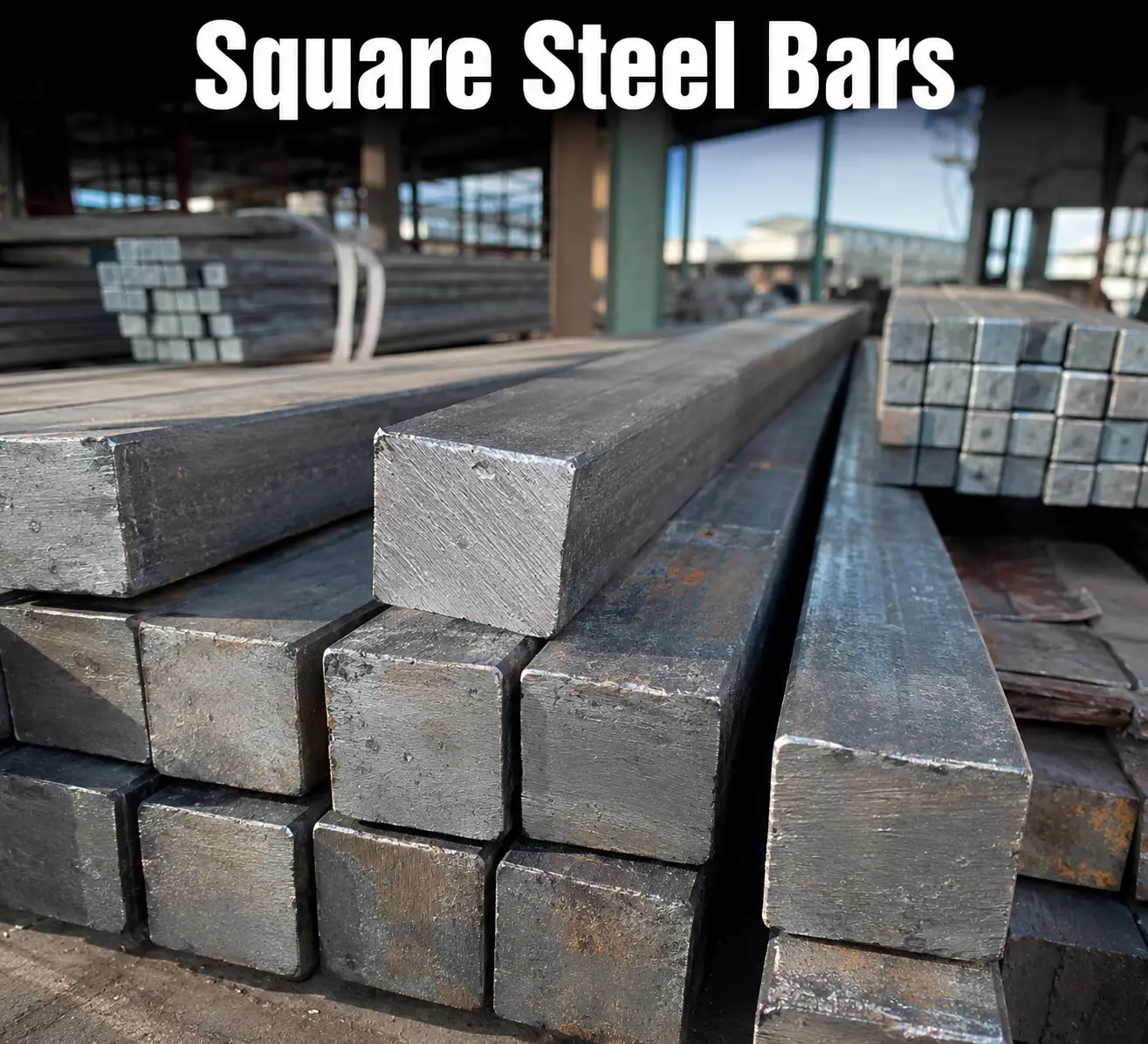
When it comes to steel, strength isn’t simply about choosing the hardest or strongest grade available. Different types of steel are engineered for different purposes, and the strongest option depends on whether you’re measuring tensile strength, yield strength, hardness, toughness, or ductility. Specialized alloy steels can achieve exceptional strength for demanding industrial applications, while construction projects require a carefully balanced combination of strength, durability, flexibility, and reliability.
If you’re choosing reinforcement steel for a building or infrastructure project, understanding these differences can help you make a smarter decision. Grade 60 steel, for example, offers high yield and tensile strength and is widely suited to demanding reinforced-concrete applications.
Explore reliable Grade 60 steel bars from Kohsar Steel Industries to understand how high-strength reinforcement can support your next construction project.
What Does “Strongest Steel” Actually Mean?
Before identifying the strongest type of steel, it is important to understand what steel strength actually means. When people search for the strongest steel, they often assume there is one steel grade that is stronger than every other option. In reality, steel can be evaluated according to several different mechanical properties, and a steel that performs exceptionally well in one area may not be the best choice for another application.
The most important properties used to evaluate steel include tensile strength, yield strength, hardness, toughness, and ductility. Understanding these properties makes it easier to determine which steel is genuinely suitable for a particular job.
Tensile Strength
Tensile strength refers to the maximum amount of pulling or stretching force steel can withstand before it breaks. It is commonly expressed in megapascals (MPa) or pounds per square inch (psi).
A steel with a higher tensile strength can generally withstand greater pulling forces before failure. This makes tensile strength particularly important in applications where steel may experience significant tension, such as structural components, bridges, machinery, and reinforced concrete.
However, tensile strength alone does not determine whether a steel is the best option. Other properties must also be considered.
Yield Strength
Yield strength is the amount of stress a steel can withstand before it begins to permanently deform.
This is particularly important in construction because structural steel needs to withstand loads without permanently changing shape. Once steel exceeds its yield strength, it may not return to its original shape even after the load is removed.
For reinforcement applications, yield strength is one of the key specifications engineers consider when selecting a suitable steel grade. For example, Grade 60 reinforcement steel has a minimum yield strength of 60,000 psi, making it a high-strength option for reinforced concrete applications.
Hardness
Hardness measures a material’s resistance to indentation, scratching, abrasion, and surface deformation.
A very hard steel can be useful for applications such as cutting tools, dies, molds, and wear-resistant components. However, harder does not always mean stronger.
Excessive hardness can sometimes come with reduced ductility or toughness. Therefore, selecting steel based solely on hardness can result in the wrong material for a structural or construction application.
Toughness
Toughness is the ability of steel to absorb energy and resist breaking when subjected to impact or sudden loading.
This property is especially important where steel may experience shocks, vibration, sudden loads, or challenging environmental conditions. A tough steel can absorb considerable energy before fracturing, making toughness an important consideration alongside strength.
Ductility
Ductility describes a steel’s ability to deform under stress before it ultimately breaks.
This property is particularly valuable in construction because some structural components need to deform rather than fail suddenly when subjected to excessive loads. A suitable balance between strength and ductility can improve structural performance and provide additional safety under demanding conditions.
In other words, the strongest steel isn’t necessarily the best steel. The right choice depends on the combination of mechanical properties required for the application.
What Is the Strongest Type of Steel?
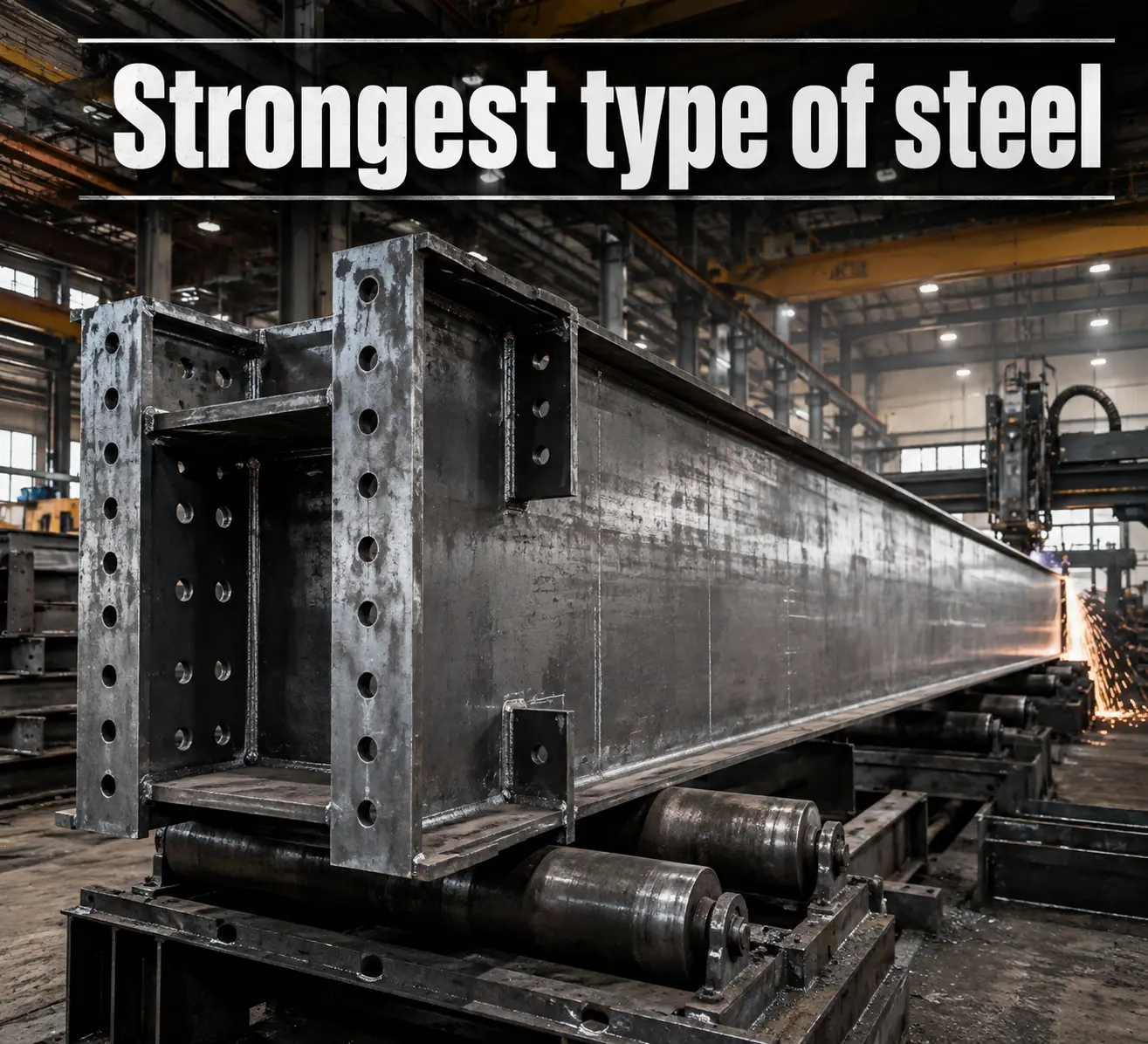
So, what is the strongest type of steel?
There is no single answer that applies to every situation. Specialized steels such as maraging steels, certain tool steels, and ultra-high-strength alloy steels can achieve extremely high strength levels. However, these materials are designed for specific industrial or engineering applications and aren’t automatically the best choice for buildings or reinforced concrete.
For construction, the priority is usually not to find the steel with the highest possible strength. Instead, engineers look for a steel grade that provides the right combination of yield strength, tensile strength, ductility, toughness, durability, weldability, and compliance with relevant standards.
This distinction is important when comparing specialized high-strength steel with construction reinforcement steel.
Maraging Steel
Maraging steel is known for its exceptionally high strength combined with good toughness. It belongs to a specialized class of low-carbon alloy steels that can achieve very high mechanical strength through controlled heat treatment and aging.
Because of its performance and relatively high cost, maraging steel is generally used for specialized applications rather than conventional building reinforcement.
Tool Steel
Tool steel is engineered primarily for applications requiring high hardness, wear resistance, and strength. It is commonly used to manufacture cutting tools, dies, molds, and other industrial equipment.
Although some tool steels are extremely hard and strong, that does not make them an appropriate substitute for reinforcement steel in concrete structures.
High-Carbon Steel
High-carbon steel contains more carbon than low- and medium-carbon steel, which can contribute to increased hardness and strength. It is often selected for applications where wear resistance and hardness are important.
However, increasing carbon content can affect ductility and weldability. Therefore, high-carbon steel isn’t automatically the best choice for structural construction.
High-Strength Low-Alloy (HSLA) Steel
HSLA steels are designed to provide higher strength than conventional carbon steel while maintaining useful levels of toughness and other desirable properties.
Small amounts of alloying elements can improve the steel’s mechanical performance without requiring extremely high carbon content. These steels are used across structural, automotive, industrial, and other demanding applications.
Grade 60 Reinforcement Steel
Grade 60 steel is specifically important when discussing strength in construction. It is a high-strength reinforcement grade designed for use in reinforced concrete structures.
Unlike specialized steels designed for tools or aerospace applications, Grade 60 reinforcement steel is manufactured for practical structural use. Its higher yield strength allows engineers to achieve the required reinforcement capacity while maintaining the properties needed for reinforced-concrete construction.
You can learn more about Grade 60 steel bars and their specifications before selecting reinforcement for a project.
What Is the Strongest Steel Grade for Construction?
When selecting steel for construction, maximum strength isn’t the only consideration. A building needs reinforcement that can perform reliably under the loads and conditions for which it has been designed.
The appropriate steel should provide a suitable combination of:
- High yield strength
- Adequate tensile strength
- Good ductility
- Reliable concrete bonding
- Consistent manufacturing quality
- Appropriate weldability where required
- Durability
- Compliance with applicable standards
- Consistent performance from batch to batch
This is why a specialized ultra-high-strength steel isn’t automatically the best reinforcement material for a building.
Grade 60 reinforcement steel is one of the high-strength grades used for reinforced concrete applications. Its combination of strength and other required properties makes it a practical option for many demanding construction projects.
When choosing reinforcement, it is also important to purchase from a manufacturer that follows appropriate production and testing procedures. You can explore Kohsar Steel Industries’ steel products to see the range of steel solutions available for construction and structural applications.
Is Grade 60 Steel Stronger Than Grade 40 Steel?
Yes, Grade 60 steel has a higher minimum yield strength than Grade 40 steel. The grade designation itself reflects the minimum yield-strength level specified for the reinforcement.
In simple terms, Grade 60 can withstand a greater level of stress before yielding compared with Grade 40.
However, choosing between Grade 40 and Grade 60 should not be based solely on which one has the higher strength. The correct grade should be determined according to the project’s structural design, engineering requirements, applicable standards, and local building requirements.
For projects where higher-strength reinforcement is specified, Grade 60 can provide an advantage by delivering greater yield strength within the reinforcement system.
Strongest Steel vs. Hardest Steel: What’s the Difference?
The terms strongest and hardest steel are often used interchangeably, but they don’t mean the same thing. A steel can have exceptional hardness without having the highest tensile strength, while another steel can have excellent strength and toughness without being the hardest material available.
Strength generally refers to how much stress steel can withstand before it yields or breaks. Hardness, on the other hand, describes how resistant the material is to indentation, scratching, and wear.
For example, tool steels are often manufactured to achieve very high hardness because they need to resist wear during cutting and shaping operations. Structural reinforcement steel has a different purpose: it needs an appropriate combination of strength, ductility, toughness, and reliable bonding with concrete.
This is why choosing steel based simply on which grade is “hardest” can be misleading. The better question is: Which steel has the right combination of properties for the intended application?
What Is the Strongest Steel for Buildings?
When choosing steel for a building, the answer isn’t simply “choose the steel with the highest strength.”
Buildings are designed around specific structural loads, environmental conditions, safety requirements, and applicable engineering standards. The reinforcement needs to work together with concrete and provide predictable performance throughout the structure’s service life.
Engineers may consider:
- Structural loads: The steel must withstand the forces expected in the building.
- Yield strength: This determines how much stress the reinforcement can withstand before permanent deformation begins.
- Tensile strength: This indicates the maximum tensile stress the steel can withstand before failure.
- Ductility: Reinforcement should have the appropriate ability to deform before fracture.
- Bond with concrete: Reinforcement must transfer forces effectively to surrounding concrete.
- Durability: The steel must be appropriate for the project’s environmental conditions.
- Standards: The selected product should meet the required material specifications.
- Availability and cost: Practical construction decisions also depend on supply and project economics.
For these reasons, specialized ultra-high-strength steel isn’t automatically the best reinforcement for a building. The best steel is the one that meets the project’s engineering requirements.
How Steel Standards Help Determine Strength?
Steel standards provide a consistent framework for defining the chemical composition, mechanical properties, dimensions, testing requirements, and other characteristics of steel products.
For buyers, standards are important because they provide a way to verify that the material meets recognized specifications rather than relying solely on a manufacturer’s marketing claims.
Depending on the product and application, standards such as ASTM, BS, and JIS may be relevant.
For example, Grade 60 reinforcement may be manufactured according to applicable ASTM specifications. These standards establish requirements that help manufacturers and buyers maintain consistency in product quality and performance.
Why Certification and Testing Matter
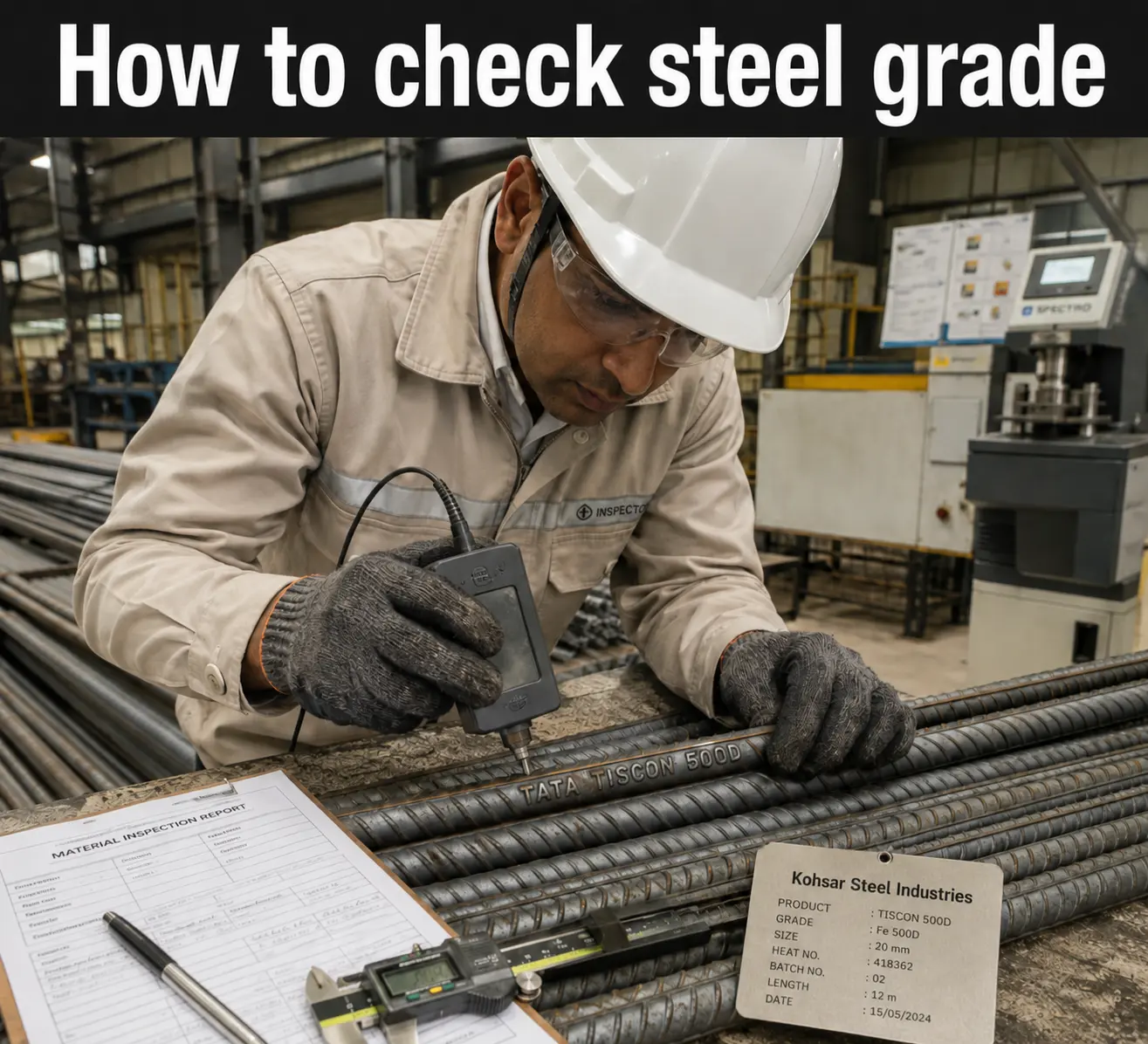
Quality testing is an important part of steel manufacturing. Depending on the product and applicable specification, testing can include:
- Chemical composition analysis
- Tensile testing
- Yield-strength testing
- Elongation testing
- Dimensional inspection
- Other physical and mechanical tests
These checks help ensure that the finished product performs according to its specified requirements.
At Kohsar Steel Industries, quality control forms part of the steel production process, including chemical and physical testing to help maintain product consistency.
Final Verdict
So, what is the strongest type of steel? The most accurate answer is that there is no single steel grade that is strongest in every situation. Specialized steels such as maraging and certain tool or alloy steels can deliver exceptionally high strength, but their properties are optimized for specific applications.
Grade 60 steel is an excellent example of a high-strength reinforcement grade designed for demanding construction applications. Its strength, combined with the other properties required for reinforced concrete, makes it a practical choice when specified by the project’s structural design.
For dependable steel products and professional assistance with your requirements, connect with Kohsar Steel Industries and discuss the appropriate steel solution for your project.